
Offering Market Rate for Gold: Why It Matters to Mahika Gold
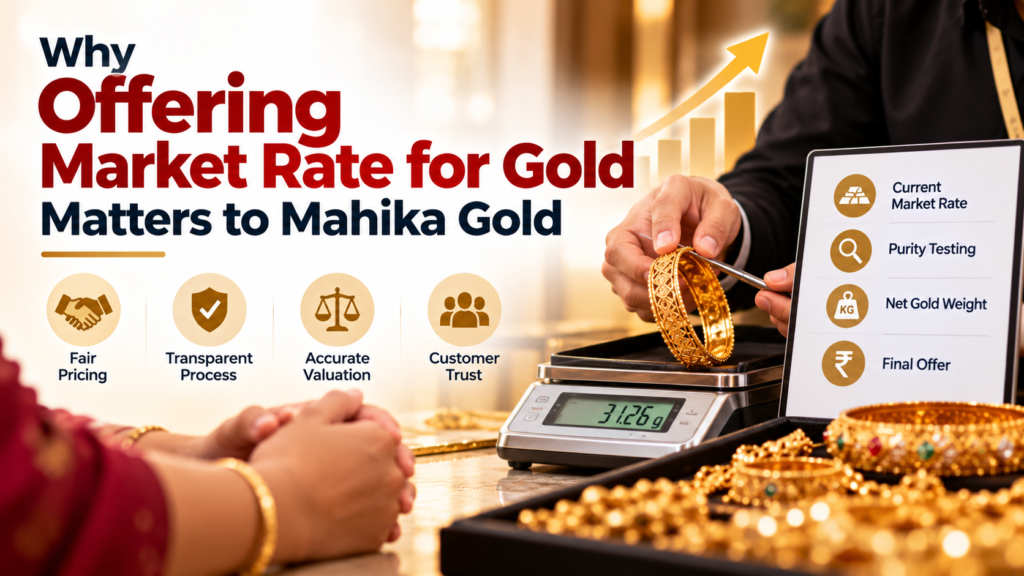
Offering market rate for gold is important when customers decide to sell their old gold jewellery. One question matters more than anything else: Am I getting the right price for my gold? For many families, gold is more than just jewellery. It may be a form of savings, something purchased for a special occasion, or an asset they turn to during a financial emergency. Some people sell their gold to repay a loan, manage unexpected expenses, or meet an important family need. At such times, receiving a fair price can make a real difference. This is why offering the market price is important to Mahika Gold. It is not just about paying customers for their jewellery. It is about earning their trust and helping them feel confident about their decision. 1. Customers Deserve a Fair Price for Their Gold Gold prices change regularly, and many customers may not know how much their jewellery is worth on the day they decide to sell it. When a customer visits Mahika Gold, they want to know that the value of their gold is being calculated fairly. Offering a price based on the current gold market rate, along with a clear explanation of purity and weight, helps customers understand how the final amount is determined. Instead of leaving customers confused about how their jewellery was valued, Mahika Gold can make the process easier to understand. Because selling gold is an important financial decision, transparency can make customers feel more comfortable from the very beginning. 2. Helping Customers Get the Most From Their Gold Imagine someone who needs money to handle an urgent expense or repay an existing loan. They decide to sell some old jewellery, hoping to receive enough money to manage the situation. If they receive less than they reasonably expected, their financial problem may become even harder to handle. Offering a competitive market-linked price helps customers make better use of the value they already own. It gives them a clearer idea of how much money they can receive and helps them make an informed decision. At Mahika Gold, the goal should be to help customers understand the value of their gold and receive a fair offer based on its actual purity, weight, and the applicable market rate. 3. Transparency Builds Long-Term Trust Selling gold can feel uncomfortable, especially for someone doing it for the first time. Customers may worry about hidden deductions, incorrect weight measurements, or being offered less than their jewellery is worth. A transparent process can help remove these concerns. When customers can see their gold being tested, understand the purity assessment, and receive a clear explanation of the price offered, they have a better idea of what they are being paid for. For Mahika Gold, this transparency can become a valuable part of the customer experience. People are more likely to recommend a business when they feel they have been treated fairly. Trust is not built through advertising alone. It grows when customers can see that a business follows through on its promises. 4. A Fair Price Can Help Customers Manage Financial Needs People sell gold for different reasons. Some want to clear pledged gold loans, some need money for medical or family expenses, and others simply want to convert unused jewellery into cash. In these situations, the amount received can matter greatly. A fair, market-linked offer can help customers understand their available options and make decisions with greater confidence. For someone planning to repay a loan, for example, knowing the expected proceeds from selling gold can help them assess whether the amount will cover their outstanding balance. Mahika Gold can support customers by explaining the valuation clearly, without pressuring them into a sale. The aim is to make selling gold a straightforward and informed choice. 5. Fair Pricing Sets Mahika Gold Apart Customers often compare gold buyers before deciding where to sell their jewellery. They may ask friends for recommendations, check online reviews, or visit more than one shop to compare offers. In such a competitive market, offering a fair price and explaining it clearly can help Mahika Gold stand out. However, customers look for more than just a high quoted rate. They also want honest communication, accurate testing, clear deductions, and a smooth transaction. When these elements come together, the experience becomes more valuable than a simple exchange of jewellery for money. A customer who feels respected and fairly paid may return in the future and recommend Mahika Gold to friends and family. 6. Offering Market Rate for Gold With a Clear Valuation Process For many customers, the process of selling gold can seem complicated. They may not understand the difference between the displayed gold rate and the final amount offered for their jewellery. Mahika Gold can make this easier by explaining a few important details: Current market rate: The rate used to calculate the gold’s value. Purity: The actual gold content determined through testing. Net gold weight: The weight of the gold after accounting for non-gold components where applicable. Final offer: The amount payable after explaining any applicable deductions or charges. These details help customers understand how the offer has been calculated. They also reduce the chances of confusion or misunderstandings during the transaction. When customers understand the process, they can make their decision with greater confidence. Conclusion: Fair Pricing Means More Than Money Gold often carries both financial and emotional value. Whether someone is selling an old necklace, unused bangles, or jewellery to meet an urgent financial need, they deserve to understand what their gold is worth. Offering a fair, market-linked price helps Mahika Gold build trust, provide greater transparency, and give customers more confidence in their decision. In the long run, a business grows not only by attracting new customers but also by treating every customer fairly. At Mahika Gold, offering market rate for gold is about more than buying gold. It is about respecting its value, being transparent with customers, and building relationships based on trust.
Market Gold Rate: How to Identify Transparent Gold Buyers
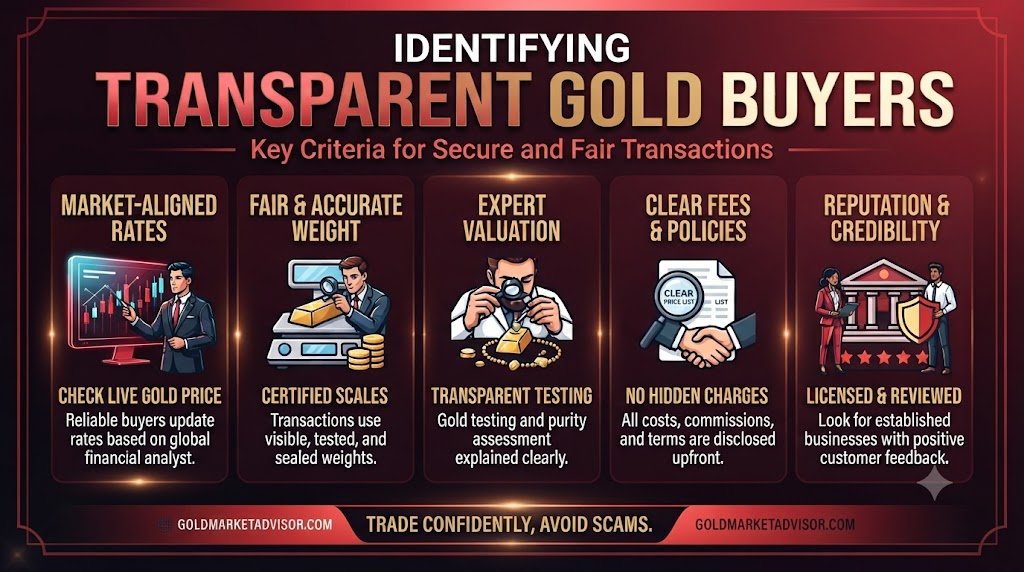
Transparent gold buyers help customers understand how their old gold jewellery is valued before making a selling decision. Gold is valuable not only in jewellery form but also in coins, bars, and other forms. People may sell their old gold articles when they need funds for health, education, business, or other expenses. Their primary concern is whether they will receive a fair value for their gold. The amount offered depends on the gold’s purity, net weight, applicable market rate, and the buyer’s valuation policy. Understanding these factors can help sellers make informed decisions when choosing a gold buyer. Mahika Gold Company’s experts help customers understand gold valuation and the factors that influence the price offered, subject to purity and applicable deductions or charges. What Determines the Market Value of Gold Before Selling? Gold is traded globally, and its market price fluctuates regularly. The quoted rate commonly refers to a particular purity, often 24K gold, while most jewellery is made from 22K or 18K gold. The proportion of pure gold in a jewellery item affects its value. Three important factors determine the valuation of old gold jewellery: Current market rate: The applicable gold purchase rate used by the buyer on the transaction date. Gold purity: The proportion of gold present in the jewellery. Net gold weight: The weight of the gold after accounting for stones and other non-gold components, where applicable. For instance, 22K gold contains approximately 91.6% gold, while 18K gold contains approximately 75%. This difference affects the gold value for the same net weight. A responsible gold buyer should explain the valuation process before purchasing your jewellery. Unfair Gold Buyers vs. Transparent Gold Buyers Every gold seller wants a fair deal and a transparent buying process. However, an initially attractive quotation may change after the jewellery is inspected, weighed, and tested. Understanding how a buyer calculates the final offer helps you recognise the difference between unclear pricing and transparent valuation. 1. Misleading Information vs. Honest Information Some gold buyers may quote an attractive rate over the phone, only for the final offer to change after inspection. A transparent gold buyer explains the applicable rate, purity assessment, and any deductions before finalising the transaction. Always ask for an explanation if the offered amount differs from your initial estimate. Mahika Gold Company provides information about gold rates and the valuation process so customers can understand the estimated value before deciding whether to sell. Customers can enquire about the applicable rates and valuation process before proceeding with a transaction. 2. Hidden Charges vs. Honest Charges Unexpected deductions can reduce the final amount received for old gold jewellery. A responsible gold buyer should explain any applicable deductions, service charges, or other costs that affect the final valuation. Before accepting an offer, ask the buyer to explain every deduction and show how the final payable amount has been calculated. Mahika Gold Company aims to help customers understand the gold valuation process and any applicable deductions before making a decision. 3. Unclear Purity Testing vs. Transparent Purity Testing Two jewellery items with the same weight may have different values if one is 22K gold and the other is 18K gold. Purity plays an important role in determining the value of an item at the applicable gold rate. Ask the gold buyer to explain the purity test, the result, and how the result affects your quotation. Understanding the process makes it easier to assess whether the offer is reasonable. At Mahika Gold Company, customers can enquire about the gold purity assessment process and how the result influences the valuation of their jewellery. 4. Pressure to Sell vs. Informed Decision-Making Selling gold is an important financial decision, and sellers should have enough information to assess their options. A trustworthy gold buyer should explain the quotation and give the seller the opportunity to decide without pressure. Mahika Gold Company recognises the importance of informed decision-making and encourages customers to understand the valuation before proceeding with a sale. Does the Market Gold Rate Mean You Get the 24K Gold Price? When selling gold, it is important to understand that the market rate quoted for 24K gold is not automatically the rate used to value 22K or 18K jewellery. Suppose the illustrative rate for 24K gold is ₹10,000 per gram. The following examples demonstrate the approximate proportional value based on purity alone. These figures are examples, not current market quotations. Gold Purity Illustrative Rate per Gram 24K ₹10,000 22K ₹9,160 18K ₹7,500 The actual amount offered for jewellery may differ because the buyer considers the applicable purchase rate, tested purity, net gold weight, and any applicable deductions or charges. At Mahika Gold Company, customers can enquire about the following factors before accepting a quotation: Applicable purchase rate on the transaction date. Assessed gold purity. Net gold weight. Any applicable deductions or charges. The final quotation may change depending on these factors. Always request a clear explanation of the amount payable. Why Consider Mahika Gold Company as Your Gold Buyer? When selling gold, customers want to understand the value of their jewellery and receive a clear explanation of the offer. Mahika Gold Company aims to help sellers understand the important elements of gold valuation. Before proceeding, customers can ask about: The gold purchase rate being applied. The purity assessment and its result. The net weight used for valuation. Any applicable deductions or charges. The calculation of the final payable amount. Whether you have old gold jewellery, broken ornaments, or gold coins, understanding their value is important before selling them. Things to Consider Before Selling Your Gold Before selling your gold jewellery, keep the following points in mind: Check the current market rate for gold. Ask whether the quoted rate applies to 24K, 22K, or 18K gold. Observe the weighing process and confirm the net gold weight. Ask how the gold purity is tested. Understand all deductions used to calculate the estimated value. Compare quotations from multiple gold buyers. Confirm the final amount payable and the payment method. These steps can
Does Mahika Gold Provide 100% Market Value for Gold Without Hidden Deductions?
When selling old gold jewellery, many people want to know whether they will receive 100% market value for gold without hidden deductions. Whether you are selling a chain, ring, bangle, or other gold jewellery, understanding how the valuation works can help you make an informed decision. Gold prices are easily available nowadays through online gold price websites and jewellery buyers. However, the amount offered when you sell your jewellery may differ from your expectations. This is why transparency in gold valuation matters. Mahika Gold offers a gold-buying platform that focuses on explaining the valuation process. The company states that gold is valued based on purity, eligible gold weight, and the applicable market rate. What Does 100% Market Value for Gold Actually Mean? The term “100% market value for gold” can sometimes be ambiguous. It does not necessarily mean that customers will receive the same amount they originally paid for their jewellery. When purchasing gold jewellery, the price generally includes making charges, wastage charges, taxes, and other applicable costs. When selling old gold, however, the valuation is based on the eligible gold content and the applicable market rate. Mahika Gold states that its valuation is based on the current applicable market rate, gold purity, and eligible gold weight. The company also describes its process as transparent, without hidden deductions or complicated pricing mechanisms. Therefore, customers should understand the actual valuation methodology, confirm any applicable deductions, and check the final payout before accepting an offer. How Is the Value of Old Gold Calculated? The value of old gold is generally calculated using three important factors: Gold Purity + Eligible Gold Weight + Applicable Market Rate These factors help determine the gold valuation according to the buyer’s pricing methodology and transaction terms. The total weight of jewellery does not always represent the amount of gold it contains. Jewellery may include stones, beads, clasps, and other non-gold materials. The eligible gold weight and purity must therefore be assessed before calculating the value. Three Factors That Determine Gold Value Gold Purity: The proportion of gold in the jewellery, such as 22K or 18K gold. Eligible Gold Weight: The weight of gold considered for valuation after accounting for non-gold components, where applicable. Applicable Market Rate: The rate used to calculate the value for the relevant purity and transaction. Does Mahika Gold Have Hidden Deductions? One of the biggest concerns for people selling old gold is whether the quoted amount is the final amount they will receive. Mahika Gold describes its valuation methodology as transparent, without hidden deductions or confusing pricing. According to its stated process, customers receive a quotation after the jewellery has been evaluated, and the transaction can be finalised after the customer approves the valuation. If you are comparing offers for 100% market value for gold, ask the buyer to explain the applicable rate, purity assessment, eligible weight, deductions, and final payout. This makes it easier to understand the offer before agreeing to sell. What Should You Ask Before Selling Old Gold? Before selling your jewellery, ask these important questions to understand the valuation and compare offers fairly: What is today’s applicable gold rate? What is the tested purity of my jewellery? What is my eligible gold weight? Are there any deductions, fees, or other charges? What is the final amount I will receive? The Bottom Line: Getting Fair Market Value for Your Gold Mahika Gold’s stated approach focuses on making the gold-selling experience simpler by explaining how gold value is calculated. The company states that its valuation is based on the applicable market rate, gold purity, and eligible weight, without hidden deductions or confusing fees. However, “100% market value for gold” does not mean recovering the entire amount originally paid for jewellery. Making charges, taxes, and wastage charges paid at the time of purchase are generally not recovered when selling old gold. The final resale value depends on the gold content, purity, applicable rate, and transaction terms. Before accepting an offer, always ask for a clear valuation breakdown and confirm the final payout. Understanding these details is the best way to assess whether you are receiving a fair offer and whether the buyer’s pricing claims match the actual transaction. If you are considering selling your old jewellery, compare the rate, purity, eligible gold weight, and applicable deductions carefully to understand whether you are getting 100% market value for gold under the buyer’s stated valuation terms.
How Mahika Made Gold Selling Easy?
For many customers, selling old gold has traditionally been a mysterious experience. Customers often want to know one important thing: are they being paid the right amount? Gold selling made easy starts with understanding how purity, eligible weight and the applicable gold rate contribute to the final valuation. Mahika Gold has set out to address this concern through a transparent approach to gold buying in Vijayawada. Its stated process focuses on purity testing, weight verification, quotation and payment after the customer agrees to the applicable terms. 1. Making Gold Valuation More Transparent One of the key aspects of Mahika Gold’s approach is its focus on transparency during the valuation process. Customers can have their jewellery tested and understand the factors considered when calculating its value before accepting the quotation. This can make the gold valuation process feel less like a negotiation and more like an informed transaction. Purity + Eligible Weight + Applicable Gold Rate = Key Factors in Gold Valuation 2. Bringing Technology Into Gold Testing Purity is an important factor when determining the value of gold jewellery. Mahika Gold states that it uses gold-testing equipment to determine the purity of jewellery before calculating its value. Knowing the purity of the jewellery can help customers understand why one item may receive a different valuation from another, even when both pieces appear similar. 3. Giving Old and Damaged Gold New Value Gold jewellery does not necessarily lose its underlying gold value simply because it is old, unused or damaged. Mahika Gold states that it purchases old, used, broken and damaged gold jewellery, giving customers an option to convert unused jewellery into money. 4. Making the Release of Pledged Gold Part of the Service Another area of focus is pledged jewellery. Mahika Gold’s stated process includes assisting customers with the release of pledged jewellery, followed by valuation and payment after the jewellery has been released. For customers who have pledged gold against a loan, understanding the applicable terms, outstanding amount and release process is important before proceeding with any transaction. 5. Moving Toward Faster Payments According to the company’s stated process, payment can be made through bank transfer once the valuation has been completed and the customer has agreed to the quotation and transaction terms. A clearly defined payment process can make it easier for customers who want to convert their old gold into money without unnecessary complexity. Gold Selling Made Easy A transparent process helps customers understand what happens to their jewellery at each stage, from purity testing and weighing to quotation and payment. 6. Making the Process More Understandable The company’s stated process can be summarized in a straightforward sequence: Visit the Branch → KYC Verification → Purity Evaluation → Weight Verification → Quotation → Agreement → Payment Breaking the process into clear stages can help turn what may otherwise feel like a complicated financial transaction into a more understandable experience. The Bigger Impact Mahika Gold’s approach represents an interesting take on the gold-buying space in Vijayawada, with an emphasis on explaining how a jewellery item’s value is determined rather than simply presenting a final amount. The company currently states that it has more than 12 years of experience and has served more than 3,000 customers. These figures are company-reported and may change over time. Its Vijayawada location is stated to be in the Mogalrajapuram/Labbipet area on MG Road, opposite Tanishq and beside PVR Mall. Why Transparency Matters When Selling Gold When selling old gold, customers should understand the purity of the jewellery, the eligible weight, the applicable gold rate, deductions and the final payment terms. Comparing the valuation and asking for a clear pricing breakdown can help customers make a more informed decision. Ultimately, the value of Mahika Gold’s approach lies less in changing how gold itself is valued and more in making the selling experience easier to understand through testing, clear valuation, market-based pricing and a defined settlement process. Gold Selling Made Easy From purity evaluation and weight verification to quotation and payment, understanding each step can help customers approach the process with greater confidence. For customers in Vijayawada, gold selling made easy ultimately means having a clear understanding of the valuation process, knowing what factors determine the value of their jewellery and agreeing to the transaction only after reviewing the applicable terms.
Why Mahika Gold Won’t Quote a Lower Rate Than Market Rate
When you sell your old gold, the most important question to ask is: “Is this a fair price for my gold?” One important concern is whether you are being offered a Lower Rate Than Market Rate. There are many different ways gold buyers can calculate their rates, apply deductions and assess the value of your gold. This can sometimes make it difficult for customers to understand whether they are receiving a fair value. At Mahika Gold, the approach is straightforward: The value of your old gold should be assessed according to the applicable market rate and the purity and eligible weight of your gold. 1. Gold Has an Established Market Value Gold is a globally traded commodity, and its value changes according to market conditions. Therefore, one of the first things you should consider when selling your old gold is the applicable market rate for the purity of your gold. It is important to understand exactly what market rate is being applied and how your final selling price is calculated. The key question is: What market rate is being applied, and how is my final price calculated? 2. A Lower Rate May Reduce Your Final Price Even a small difference between the applicable market rate and the rate offered by a gold buyer can have a significant impact on the final amount you receive. For example, assume the applicable market rate for a particular purity is ₹10,000 per gram. If a gold buyer values your gold at ₹9,500 per gram, the difference is ₹500 per gram. For 20 grams of eligible gold: ₹500 × 20 = ₹10,000 This means that even a seemingly small difference in the rate can result in a significant difference when you are selling a larger quantity of gold. 3. Market Rate Makes It Easier to Understand Your Valuation When an applicable market rate is clearly established, customers can better understand how their gold is being valued. A basic calculation can be represented as: Applicable Market Rate × Eligible Gold Weight = Gross Gold Value However, purity and other relevant factors must also be considered when calculating the eligible value of gold jewellery. A transparent valuation should make it clear how the rate, purity and weight contribute to the final amount. 4. Purity Still Matters Different gold jewellery items can have different levels of purity. Therefore, the applicable rate should correspond to the purity of the gold being sold. For example: 24K: Approximately 99.9% pure gold 22K: Approximately 91.6% pure gold 18K: Approximately 75% pure gold This is why purity testing is an important part of a transparent gold-buying process. A proper assessment helps determine the actual gold content before calculating its value. 5. Weight Is Important Too Besides purity, another important factor is the eligible gold weight. Gold jewellery may contain stones, beads, clasps or other non-gold components. Therefore, the total weight of a jewellery item may not always be equal to its eligible gold weight. For this reason, a transparent calculation should clearly explain the weight being considered for valuation. 6. Focus on the Final Payout, Not Just Advertising Claims When comparing different gold buyers, it is better not to make a decision based only on promotional statements such as: “The highest price for your gold!” Instead, ask for the complete calculation and understand how the final payout is determined. Consider: Market Rate + Purity + Eligible Weight + Applicable Deductions = Final Payout The final amount you actually receive is what matters most when comparing an offer. 7. What About Old or Broken Gold? Old chains, broken bangles and damaged ornaments may no longer have much value as finished jewellery. However, the gold contained in these items still has value. The physical condition of jewellery does not automatically mean that the gold should be valued at an arbitrary low rate. The relevant purity and eligible gold weight should be determined before applying the corresponding rate. This is particularly important when comparing offers because a Lower Rate Than Market Rate can reduce the amount you receive even when the weight of your gold remains the same. 8. What About Pledged Gold? Pledged gold is slightly different because the jewellery is associated with an existing loan. If you want to release and sell pledged gold, it is important to understand the details of your loan, the amount required to release the jewellery and the value of the gold. Mahika Gold specialises in old gold and pledged gold buying, giving customers an option to convert their gold into cash based on its applicable value. Why Does Mahika Gold’s Market-Price Approach Matter? The basic idea is simple: Your gold has a market value. Instead of starting with an arbitrarily low buying price, the value should be assessed using the applicable market rate while taking into account the purity and eligible weight of the gold. This approach can give customers a clearer understanding of how their offer has been calculated. When you are evaluating an offer, it is especially useful to check whether the buyer is offering a Lower Rate Than Market Rate and understand why any difference exists. What Should You Ask Before Selling Your Gold? Before selling your old gold, ask the buyer these important questions: What is the current applicable market rate? What is the purity of my gold? What is the eligible gold weight? Are there any applicable deductions? What is my final payout? Understanding these five factors can help you assess an offer more clearly before deciding to sell. Sell Gold Based on Value, Not Confusion Selling your old gold does not have to be complicated. Whether you want to sell old jewellery, broken gold or pledged gold, you should be able to understand how the value of your gold is calculated and how the final payout is determined. The important thing is to compare the applicable market rate, purity, eligible weight and deductions rather than looking only at promotional claims. In particular, understanding whether you are being offered a Lower Rate
10 Things You Should Watch Out For While Selling Your OLD Gold
Whatever the reasons for selling your old gold jewellery, coins, or released pledged gold jewellery, selling your gold is going to be one of the financial decisions you are going to make. And, of course, you would like to get paid properly for it. However, at the end of the day, the amount of money you receive will depend on many factors like purity, weight, gold rate, and deductions. As BIS guidelines for consumers on gold jewellery say, purity testing is essential and, as latest reports on gold recycling say, the amount of money one gets depends on purity, prevailing market prices and deduction/charges. Therefore, it is vital to understand the process of valuation. Here are 10 things to be careful about while selling your gold – and 10 approaches of Mahika Gold that can make the process transparent. 1. Using a Rate Below the Prevailing Market Rate The first thing to consider is: “At what rate do you estimate my gold jewellery?” The prices of gold change all the time and, therefore, the rate of the day you are going to visit the buyer has a great influence on your final payout. The Approach of Mahika Gold As Mahika Gold says, the gold is estimated at the prevailing market rate and quotation is made according to the live market prices. 2. Not Explaining the Purity of Gold to You Gold jewellery can be in 22K, 18K and other purities. Just weighing the piece of gold is not enough for the valuation. Without the information about the purity of the gold, it is hard for the customer to understand the whole process of valuation. The Approach of Mahika Gold According to Mahika Gold, it uses gold-testing machines in the process of valuation. According to the BIS, the purity testing of gold jewellery can be made in recognized Assaying & Hallmarking Centres. 3. Mistaking the Gold Weight with the Gross Weight of the Item Gold jewellery can have stones, beads, enamel, and any other non-gold elements. Therefore, the gross weight of the item cannot be taken for the gold weight. The Approach of Mahika Gold According to Mahika Gold, it verifies the weight as a part of the gold-selling process and gives the quotation after checking the purity and weight. 4. Hidden Deductions Sometimes the buyer gives a certain rate, but does not provide the information about the deductions involved in the transaction. What really matters is the amount of money you receive. The latest reports on gold recycling say that the amount received by the customer is influenced by applicable service charges. The Approach of Mahika Gold According to Mahika Gold, the process of selling old gold does not include any hidden deductions or confusing charges and the quotation is explained to the customer prior to its confirmation. 5. Providing the Final Amount Without Explanation of the Process You should not be asked to accept a certain amount without any explanation of how it was obtained. A truly transparent process of valuation should allow you to understand the following formula: Purity + Weight + Applicable Rate = Value of Your Gold The Approach of Mahika Gold According to Mahika Gold, the gold is valued according to the market rates, purity testing and weight measurements of the item, and the process of calculation is performed in front of the customer. 6. Estimating Old Gold as Less Valuable Because It Is Damaged or Broken Sometimes the ornament looks like it has no value due to broken chains or any other kind of damage. However, this does not affect the value of gold content. The Approach of Mahika Gold Mahika Gold claims that it buys old, used, broken and damaged gold jewellery where the valuation is made according to the purity and weight of the item. Therefore, you do not have to agree to a strange valuation just because your gold ornament is old or broken. 7. Making the Process of Pledged Gold Release More Complicated Pledged gold is more complicated since it is connected with outstanding loan. This is why customers need to know the amount of the loan and the valuation of the gold before they make a decision about something else. The Approach of Mahika Gold Mahika Gold provides a special pledged gold release service where the company assists the customers in the releasing process, checks the jewellery and makes the payment after its valuation and customer’s confirmation. 8. Making the Customer Feel That He/She Needs To Make Fast Decisions Selling gold is a large decision and it requires some time to understand the process of quotation. The Approach of Mahika Gold According to Mahika Gold, the process is fully transparent and the customer receives the quotation prior to its confirmation. The basic principle is: Firstly, understand the process of valuation. Secondly, make a decision. 9. Focusing on the Rate Per Gram of Gold When a buyer advertises its offer in terms of the rate per gram, he/she tells only the partial truth. The final payout will depend on: As latest reports say, the realized value will depend on purity, market prices and deductions/charges. The Approach of Mahika Gold Mahika Gold values its service of buying gold according to the market rate of the day, purity testing and gold weight measurements rather than just quoting a price. 10. Failure To Explain the Clear Payment Options Once you’ve decided to sell your gold, you want to know the way and timing of your payment. The Approach of Mahika Gold According to Mahika Gold, the customers can receive their payment instantly through cash or bank transfer after the process of valuation and agreement is completed. 10 Reasons to Choose Mahika Gold Mahika Gold highlights the following aspects in its process: According to the company, Mahika Gold has over 12 years of experience and over 3,000 customers. This information is given by the company and it is not verified independently. Questions to Ask Before Selling Gold Prior to accepting any quotation, here
Mahika Gold Buyers: Why People Sell Gold and How Gold Value Is Calculated
Why Do People Sell Gold? Understanding Gold Value and Selling People sell gold for many reasons, and not always out of urgent need. Often, it’s simply a practical financial decision. Unused jewellery, broken chains, old bangles, or pieces that no longer suit your style may still hold value. Selling such gold can be one way to turn an existing asset into money when you need it or when you simply want to put its value to better use. Understanding why people sell gold, how gold buyers calculate its value, and what to check before selling can help you make a more informed decision. Why Do People Sell Gold? People sell gold for several different reasons. Some may need money for an unexpected expense, while others may simply have gold jewellery they no longer use. 1. To Manage an Urgent Financial Need Medical bills, education expenses, household requirements, or other personal commitments can arise unexpectedly. If you have gold jewellery you no longer use, selling it is one way to convert an existing asset into money. 2. Old Jewellery That Is No Longer Used Look through your jewellery box and you may find pieces that have been untouched for years. They may be outdated in design, no longer fit properly, or simply no longer match your style. Selling unused gold puts that value to work instead of leaving it locked away. 3. Broken or Damaged Jewellery Chains break, bangles bend, and earrings can lose their pair. Even when a piece cannot be worn again, the gold itself may still hold value. This is why many people choose to sell damaged or incomplete jewellery rather than let it sit unused. 4. Turning Old Gold Into Something More Useful Some people simply want to redirect the money toward new jewellery, a personal expense, or savings for the future. The decision is yours. Your gold is your asset, and you decide when and why to sell it. How Do Gold Buyers Calculate the Value? Many people assume that gold value depends purely on weight. In reality, several factors come into play, primarily purity, weight, and the applicable gold rate. 1. Checking Gold Purity Purity is one of the most important factors in gold valuation. Gold jewellery typically comes in 24K, 22K, or 18K. The higher the purity, the greater the proportion of actual gold. Buyers use testing methods or equipment to determine purity, and hallmark information, where available, adds useful confirmation. Understanding your jewellery’s purity directly affects what it is worth. 2. The Current Gold Rate Gold prices change regularly and are influenced by market conditions, international rates, currency movements, and demand. The rate applicable on the day you sell is a key part of the valuation. This means the amount you could receive today may differ from what you might have received at another time. 3. Arriving at the Final Valuation Once the weight and purity are determined, the applicable gold rate and the buyer’s terms come together to set the final value. It’s worth remembering that what you originally paid for a piece often included making charges, wastage, and taxes. These costs generally don’t form part of the resale value in the same way, since resale valuation is primarily based on the gold content and the buyer’s terms. Keeping this in mind helps set realistic expectations. Why Transparency Matters When Selling Gold Gold is valuable, so it’s natural to have questions before selling it. A transparent process should make it easy to understand: How much your jewellery weighs What its purity is Whether stones or other materials affect the valuation What gold rate is being applied How the final value was calculated You should feel comfortable asking questions before agreeing to any transaction. A clear explanation gives you the information you need to make your own decision. Why Consider Mahika Gold Buyers? Selling gold can feel like a big decision, especially when a piece has been part of your family for years. That’s why choosing a buyer with a clear and straightforward process matters. At Mahika Gold Buyers, the focus is on making the experience simple and convenient. What Should You Do Before Selling Your Gold? Take a little time to understand what you have before selling. Check for hallmark details if available, get a rough sense of the weight, and note whether the piece contains stones or other materials. It’s also useful to be aware of the current gold market rate. Most importantly, don’t hesitate to ask how the final valuation was calculated. You don’t need to be a gold expert. Just having a basic understanding and feeling comfortable with the transaction can help you make a confident decision. Your Unused Gold Could Still Have Value Gold sitting unused in your locker for years may still be a valuable asset. An old chain may no longer match your style. A broken bangle may never get repaired. A single earring may have no practical use left. But the gold itself can still hold value. Instead of leaving it forgotten, you can have it evaluated and decide whether selling is the right choice for you. Mahika Gold Buyers aims to make that process simple, clear, and convenient. Mahika Gold – Know Your Gold’s Value Selling gold is a personal financial decision, whether it is driven by a financial need, a desire to clear out unused jewellery, or simply curiosity about what your gold is worth. Understanding the valuation process gives you greater confidence before making a decision. Before deciding, know the purity, weight, applicable gold rate, and final valuation. At Mahika Gold Buyers, your gold is evaluated so you can understand its value and make the decision that works for you. Have Unused Gold at Home? Have unused gold jewellery at home? Bring it to Mahika Gold Buyers and find out what your gold could be worth.
How Your Gold Can Benefit Your Child?

As a parent, you always want to provide the best for your child. Giving them a good quality of education and helping them get a sound career so that they can lead a comfortable life is every parent’s dream, but sometimes, the demands of reality can crush even the simplest of dreams. However, the assets you hold can help secure those milestones; learning how stored gold can benefit your child is one of the smartest ways to turn idle family savings into real educational opportunities. How Gold Can Be More Than Just an Ornament Gold has been an important metal in the Indian household for centuries. Be it a necklace, a chain, a ring, or a pair of earrings—gold has been bought and worn by generations of Indians. As children grow up, you might find yourself buying gold for them, but as they grow further and settle down, you might find yourself in need of funds for their career, education, or other allied expenditures. At such times, gold that you might have bought earlier could actually help you in paying for some of those expenses. Use Your Gold When Your Child Needs You Most Sometimes, a child gets admission into a college of good repute or is given an amazing opportunity to learn something that could shape their future for the better. However, such opportunities often come at a price, and you might find yourself unable to provide the needed funds at such times. This is when you can think about using the gold that you already possess, to pay for some of those expenditures. Depending on your requirements, you can actually sell some of the gold jewellery that you no longer need and use the money earned from the sale to pay for your child’s education or other needs. How Your Unused Gold Can Pay for Your Child’s Needs There are times when gold jewellery is kept unused for long periods of time. It could be because the design is old, or because no one in the family has a requirement for it. Whatever the reason may be, gold that is not being used can actually be utilised to pay for needs that are more pressing. Using these funds to fund a degree, a specialized course, or study-abroad expenses directly shows how liquidating unused jewellery can benefit your child at critical turning points in their life. The money earned from the sale of gold can be used to pay for your child’s education, a professional course, books, and other sundries. Though the jewellery may not be used, it can help create new opportunities for your child in the form of quality education and skill development. Your Child’s Future Is More Important Than Gold Gold is something that can bring happiness to people, but it is the opportunities created with gold that can bring smiles to faces for a much longer time. While gold jewellery can be sold and converted into cash, the education received by your child can remain with them for the entirety of their lives. That is why, when the need arises, it is important to utilise the gold that you possess rather than let it gather dust. Mahika Gold can help you determine how much gold you actually possess and help you sell the same so that you can buy your child’s future. Let Mahika Gold Help You Pay for Your Child’s Future Gold has always been an important possession in Indian homes. It has been bought and sold, worn and gifted—all for different reasons. While gold can be bought for special occasions, it can also be sold for more special occasions. When a child requires education and opportunities, their parents can sell gold to get the needed funds. After all, the value of gold is not just in its market value, but in how effectively it can benefit your child by opening doors to higher education, sound careers, and a brighter tomorrow.
Understanding Karat: 10k, 14k, 18k or 24k

When you are looking into purchasing some gold jewelry, the number stamped on the inside of the piece of jewelry – 10k, 14k, 18k or 24k – tells you not only the price of the piece but also the gold purity. Here is a simple guide to help you find the right balance for your lifestyle and budget while understanding karat. Karats Explained Karats (written as “k” or “K”) are units of measurement used in metallurgy to measure the purity and fineness of gold. In metallurgy, there is a universal rule – all pure gold is 24 karats. Since 24k is the maximum, the karat scale operates on a fractional scale of 24 parts. For example, if a piece is 14k, it means that out of 24 parts of this jewelry, 14 are made of pure gold and the remaining 10 are made of other metals like copper, silver, nickel, or zinc (called alloy metals). Reasons to Combine Gold and Alloys Pure 24 karat gold is extremely soft and fragile; it scratches easily and is perfect for gold investments but not for daily jewelry pieces. Mixing pure gold with alloy metals makes it stronger and more durable while changing the color of the metal to create varieties like white gold and rose gold. Understanding Karat Differences Karats Gold % Parts Gold vs. Alloy Pros Cons 24k 99.9% Pure 24 parts of gold Rich golden color; prestige; does not tarnish Too soft for most jewelry; scratches easily; very expensive. 18k 75% Pure 18 parts of gold, 6 parts of alloy Dark golden hue; luxurious feel; hypoallergenic for sensitive skin Less durable than 14k; expensive. 14k 58.3% Pure 14 parts of gold, 10 parts of alloy Perfect balance of durability, color, and price Will eventually scratch; slightly less golden than 18k. 10k 41.7% Pure 10 parts of gold, 14 parts of alloy Durable; very cheap; impossible to scratch or bend Lighter yellow color; may cause allergic reaction due to nickel content. Which One is Right for You? Picking the right karat depends entirely on your intentions to wear a piece of jewelry, your budget, and your skin sensitivity. 1. The Daily Wearer: 14k Gold If you are planning to buy an engagement ring or a piece of jewelry which you will be wearing daily, 14k gold is probably the best choice. It is strong enough to withstand everyday scratches and at the same time looks beautifully yellow. 2. The Budget-Conscious or Active: 10k Gold If you have to wear your jewelry while doing physical work or if you need an affordable real gold piece, 10k gold is really sturdy. It is the minimum purity that is considered pure gold in the USA. Just be careful if you have nickel allergies because 10k contains more alloy metals. 3. The Luxury One: 18k Gold If you want to make an investment for a special occasion, love rich and bright yellow gold, or have sensitive skin, 18k gold is great. Since it is 75% pure gold, it rarely causes allergic reactions and only needs extra care to protect from scratches. 4. The Collector: 24k Gold It is recommended to keep 24k gold for collecting investment coins or bars and traditional ceremonial jewelry. It is too fragile to be worn in any other cases, like when going to the market or to the gym. Are you now shopping for some specific piece or trying to find out more about the piece you already have? Hopefully, this guide helped you in understanding karat values clearly.
The Gold Buyer’s Guide: How to Sell Your Gold Wisely and Not Get Scammed.

Whether it is old jewelry, broken chains, or inherited gold coins, selling gold is always a great way to receive immediate money. However, the cash for gold industry can be very tricky. Without preparation, you risk losing hundreds of dollars. Selling your gold wisely boils down to understanding the math behind it, the technology involved, and red flags to look out for before handing over your valuables. 1. Get the Live Spot Price Before heading to a seller or sending your gold in, it is imperative to understand its actual worth. The basic measure of the industry is the spot price – the current market price for one Troy ounce of pure (24k) gold. Important Note on the Measure: The gold market deals with Troy Ounces, not ordinary ounces. One Troy ounce is equal to 31.1 grams (whereas an ordinary ounce is about 28.3 grams). When the buyer offers you a price per ounce, make sure he is using Troy ounces. It is vital to keep a live tracker on your phone whenever visiting a buyer. That will allow you to know how much lower than the market price their offer really is. 2. Decipher Your Karats (Purity Math) In most cases, you will never sell pure 24k gold. The jewelry is alloyed with other metals like copper, silver, or zinc to make it strong enough to wear. The gold buyer is not interested in the total weight but only pays for pure gold contained in the item. Check the little stamp on your piece of jewelry. The translation of the numbers into percentages looks like this: 24 Karat (24K/999)99.9% pure gold 22 Karat (22K/916)91.6% pure gold 18 Karat (18K/750)75.0% pure gold 14 Karat (14K/585)58.3% pure gold 10 Karat (10K/417)41.7% pure gold Payout Calculation Formula Should you wish to find out whether the offer is fair, you can calculate the math yourself. It is simple: Pure Gold Mass = Total Weight (grams) × (Karat Rating / 24) Melt Value = (Pure Gold Mass / 31.1) × Current Spot Price per Troy Ounce It is impossible for any buyer to pay you the full value of the melt because of the refining costs. Still, a reliable dealer will offer 70% to 90% of it for scrap jewelry and more for recognizable bullion coins. 3. Demand Non-Destructive and Transparent Testing The way your gold is tested can reveal everything you need to know about the professionalism of the buyer. Traditionally, buyers used the “acid scratch test”: your jewelry was rubbed on a black stone with nitric acid applied to check the corrosion of it. The method was very destructive and relied heavily on guesswork. Reputable gold buyers now use an X-Ray Fluorescence (XRF) spectrometer. An XRF machine sends an X-ray beam to analyze the atomic composition of the item down to two decimal points, without melting it. You must demand from the buyer to use an XRF machine and to watch the testing process. Should they decide to test the gold in a separate room, politely tell them to return the jewelry and leave. 4. Watch Out for Hidden Deductions The last trick that many buyers pull on the sellers is “fee squeezing.” In this case, a buyer gives an enticing quote over the phone and then lowers the price once you arrive. Beware of these common tricks: Testing Everything at Once: Should you have 10K, 14K, and 18K items mixed together, a suspicious buyer will test everything altogether and pay you according to the lowest (10K) rate. Make sure the gold is sorted according to the karat and tested separately. Deducting Stones’ Weight: In case of your jewelry containing diamonds, gemstones, or glass beads, the buyer will make a deduction to account for it. Ensure that the buyer does not make an excessive deduction of the weight. Moreover, in case of valuable stones (such as certified diamonds), you should be paid separately for them or have a jeweler remove them prior to selling the gold. “Wastage” or “Melting” Fees: Reputable retail cash-for-gold dealers will include the refining fee in the payout percentage. In order to sell gold wisely you have to be aware of this. Should they quote you a price and then add an additional 10% fee at the check-out, they are trying to increase their profit margin. The Golden Rule Get multiple quotes. A reputable buyer will never press you to make the deal right there and then. Take your time, do the math, and sell when everything is right.